
Selfish. Selfless. Selfful.
Sometimes healing doesn't begin by finding the right answer.
Sometimes it begins by looking at something differently.
Over the years, both in my own life and in working with clients, I've discovered that healing doesn't always begin by finding the right answer. Sometimes it begins by looking at something differently.
A new perspective doesn't necessarily change the facts. Sometimes it changes the way we experience them.
One word I've found myself thinking about often is selfish.
I've heard it countless times over the years.
"I feel so selfish."
Rarely is it said lightly.
More often it is accompanied by guilt, shame, disappointment, or fear.
It makes me wonder how many of us learned, very early in life, that simply having needs somehow made us "too much."
I know I did.
As a child, I remember being told I was selfish. Whether it was intended to teach me consideration or simply to encourage me to do what someone else wanted, I absorbed a very different message.
My needs weren't good.
Like many people, I spent years trying to find the balance between honoring myself and not disappointing others. And, truthfully, I still find myself learning.
So where is the line?
Is taking care of ourselves selfish?
Or is the alternative becoming so selfless that we slowly disappear into pleasing everyone else?
Selflessness can be a beautiful quality. The willingness to care deeply for another person is one of our greatest strengths.
But sometimes, without even realizing it, selflessness quietly becomes self-abandonment.
We lose touch with our own voice.
Our own needs.
Our own aliveness.
Over the years I've come to wonder if there might be another way of looking at it.
For me, that way is selfful.
Not selfish.
Not selfless.
Selfful.
To me, selffulness means acknowledging my own needs with kindness rather than shame. Speaking for them honestly while remaining aware that the people around me also have needs, hopes, fears, and dreams of their own.
I'm not suggesting this is the only way to see it.
It's simply a perspective that has brought more compassion into my own life—and into many conversations I've had with others.
It's not about placing ourselves above others.
Nor is it about placing ourselves beneath them.
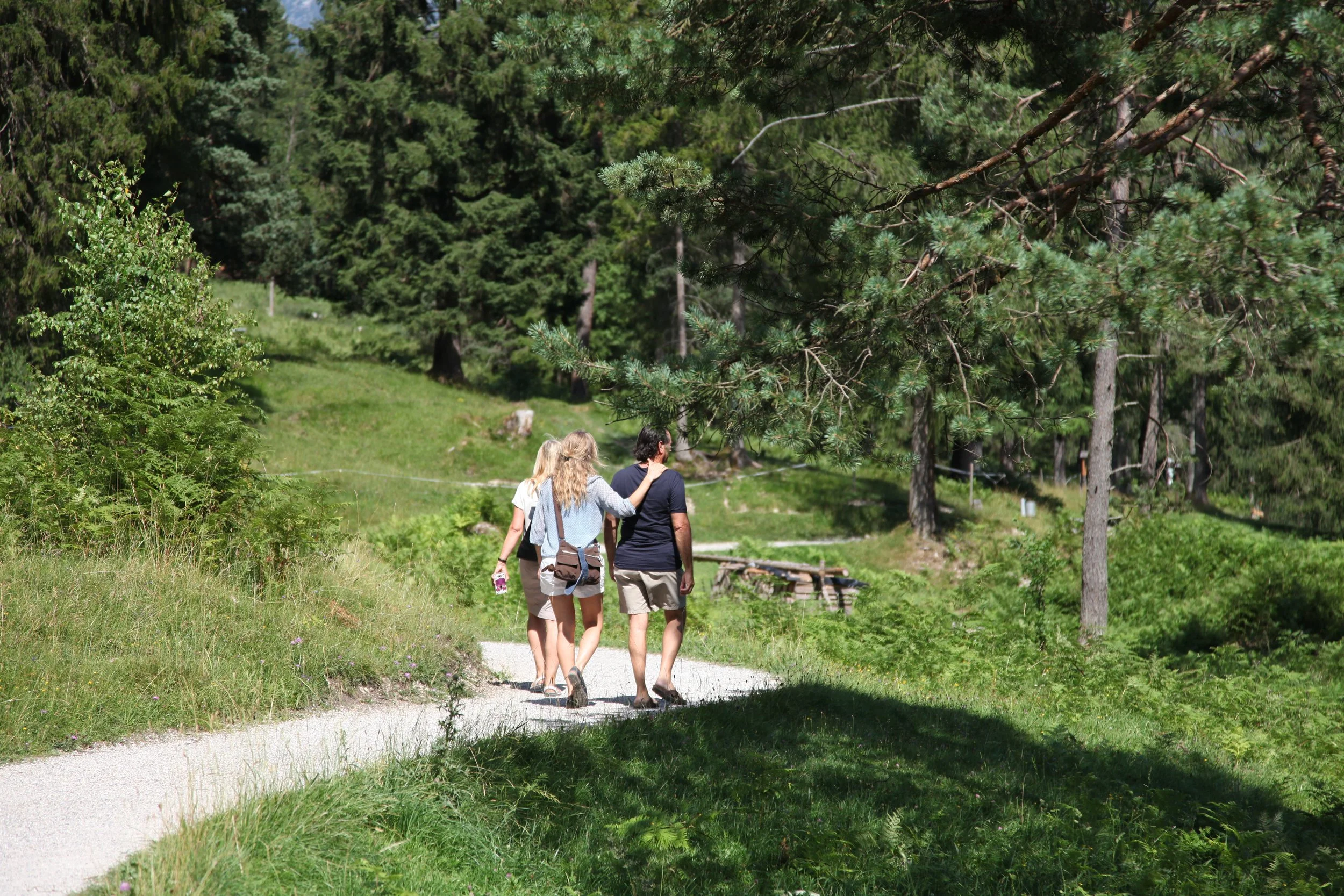
It's about standing beside them.
Sometimes we will choose ourselves.
We do it every day in countless ordinary ways.
We decide how to spend our time.
Whether to rest or keep going.
Where to live.
Which work to pursue.
Even driving somewhere instead of walking may prioritize our own time over environmental concerns.
Life constantly asks us to make choices.
Making those choices doesn't automatically define our character.
Perhaps the question isn't whether we're selfish.
Perhaps the question ishow we hold ourselves while making those choices.
I've noticed something interesting.
The more connected I become to my own deeper needs—without attacking myself for having them—the more naturally I find myself caring about yours.
Not because I should.
Because I can.
When we are no longer running on empty, compassion has somewhere to come from.
Ironically, what appears to be selflessness can sometimes become another form of self-abandonment.
We lose our boundaries.
Our voice.
Our vitality.
Eventually, resentment quietly replaces generosity.
Real generosity doesn't grow from depletion.
It grows from wholeness.
That's why I find myself returning to this idea of selffulness.
A place where kindness toward ourselves doesn't diminish kindness toward others.
It expands it.
Perhaps healing isn't about deciding whether we're selfish or selfless.
Perhaps it's about becoming less afraid of our own humanity.
Perhaps it's about discovering that caring for ourselves and caring for others don't have to compete.
I've come to believe they can support one another.
So I'd like to leave you with a few questions…
What if listening to your own needs wasn't an act of selfishness?
What if kindness toward yourself actually made more kindness available to others?
What if the goal wasn't to become more selfless—but more selfful?
And what if one small shift in perspective could soften years of self-judgment?
I don't know whether these questions will resonate with you.
But over the years I've learned that sometimes healing doesn't begin with an answer.
Sometimes it begins with a different way of looking.
With warmth,
Elke 🌻